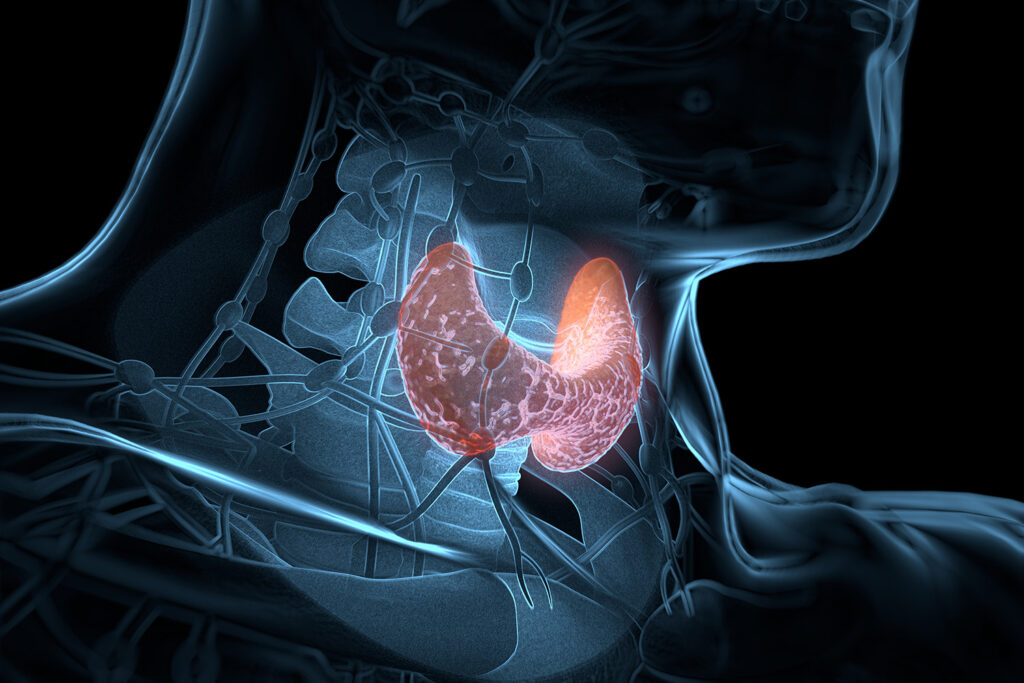
Thyroid Disorders: Symptoms & Treatment
Thyroid disorders occur when the thyroid gland produces either too much or too little hormone, affecting the body’s metabolism and overall health. Common symptoms include unexplained weight gain or weight loss, fatigue, mood changes, hair thinning, irregular heartbeat, sensitivity to cold or heat, and swelling in the neck area. Hypothyroidism (underactive thyroid) slows down body functions, while hyperthyroidism (overactive thyroid) speeds them up, both requiring proper medical attention. Diagnosis is usually done through blood tests such as TSH, T3, and T4 levels. Treatment depends on the condition and may include hormone replacement therapy for hypothyroidism or medications that reduce hormone production for hyperthyroidism. In some cases, radioactive iodine therapy or surgery may be recommended. Along with medical treatment, maintaining a healthy diet, regular exercise, and stress management can support thyroid health and improve overall well-being. Early diagnosis and consistent treatment help prevent complications and ensure a better quality of life.